The Human Element in a Digital World: Why Notaries Still Matter

Technology has transformed how documents are created, signed, and exchanged, but it has also introduced new risks. AI-generated identification, deepfakes, synthetic identities, and sophisticated forgeries are making fraud more difficult to detect. In this environment, notaries provide an important layer of protection by combining technology with human judgment and legal authority.

More Than Identity Verification
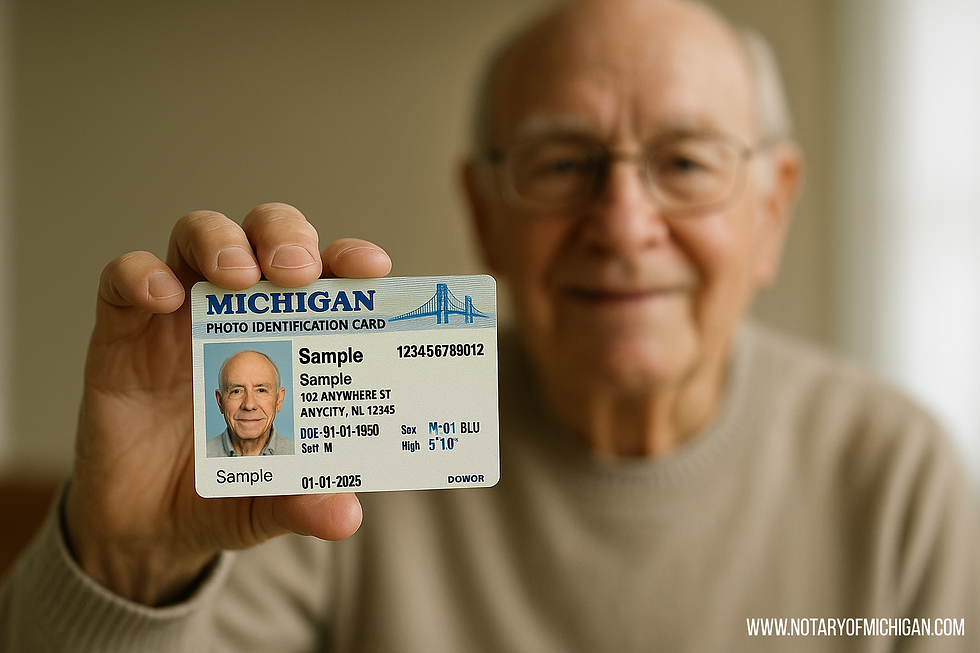
Notarization goes beyond checking an identification document. A notary evaluates whether the signer matches the credentials presented, appears to be acting willingly, and understands the document being signed. This human interaction can help identify inconsistencies, confusion, or signs of coercion that an automated process may overlook.
Notaries also create a formal record of the transaction, adding accountability and another checkpoint against fraud.
Legal Confidence and Protection
Notarization strengthens confidence in important documents by formally documenting the identity of the signer and the circumstances surrounding the signing. It remains especially important in areas such as real estate, estate planning, powers of attorney, and certain business transactions, where identity, authorization, and intent can become critical if a document is later challenged.
Technology Is Expanding Notarization
Remote Online Notarization, or RON, demonstrates how technology and human oversight can work together. RON platforms bring notarial services into a digital environment while supporting identity verification, electronic records, digital seals, and remote interaction between the signer and notary.
Rather than eliminating the role of the notary, these capabilities can make notarization more accessible while preserving human oversight.

Notarization and E-Signatures Serve Different Purposes
Electronic signatures have made business transactions faster and more convenient, but signing electronically and notarizing a document are not the same process. Notarization adds independent verification of the signer and a formal notarial act, providing an additional level of assurance where greater legal or fraud protection is appropriate.
The Future of Trust
The future is not about choosing between people and technology. It is about combining their strengths. Secure digital identities, electronic signatures, fraud-detection tools, tamper-resistant records, and notarial oversight can work together as layers of protection.
As fraud becomes more sophisticated and transactions increasingly move online, human judgment remains an important safeguard. Modern notarization provides that human element while adapting to the speed and convenience of digital business.
The strongest model for trust is not technology replacing people, but technology and human oversight working together.
Contact me today with any questions.



Comments